
Stage 4. JOIN: Combining Relational Data Correctly
JOIN connects rows from multiple tables using a relationship condition. In relational systems this is a core skill: data is split by entities (users, orders, payments), and without JOIN you cannot build complete business views.
Why JOIN is needed
Example task: show order list with customer name. Name is in users, order is in orders. Reading those tables separately does not produce one row with “order + owner”. JOIN solves that.
Base pattern:
SELECT ...
FROM left_table l
JOIN right_table r ON r.key = l.key;
Critical part: the ON condition. It defines which rows match.
JOIN types from simple to advanced
1) INNER JOIN
Returns only rows that match on both sides.
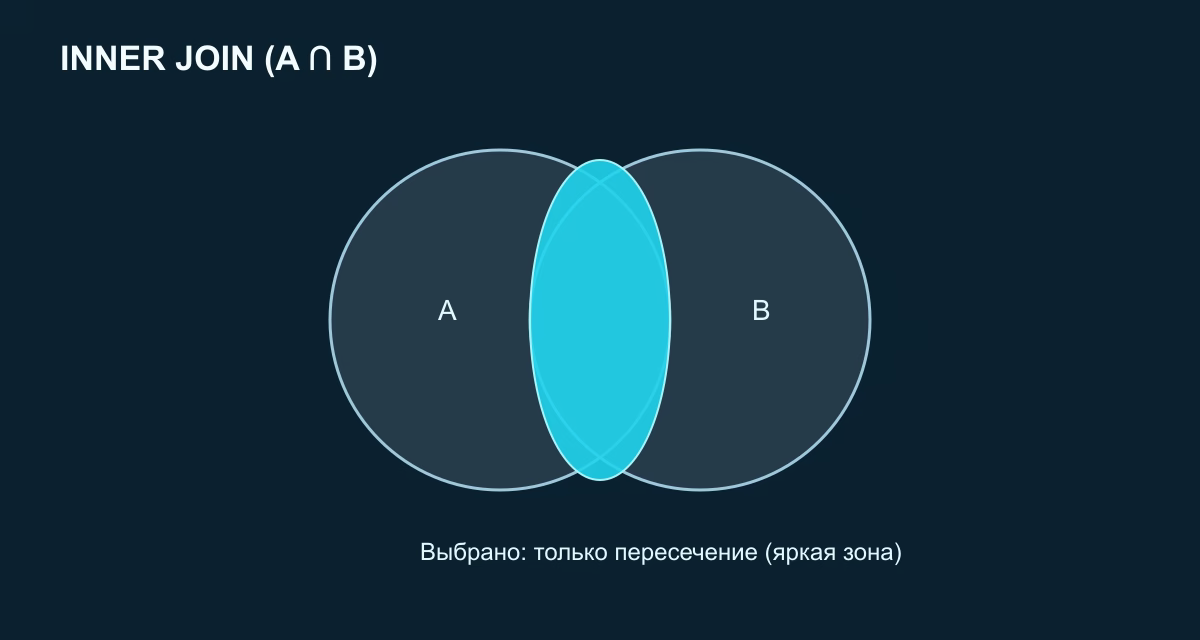
SELECT u.name, o.id AS order_id, o.amount
FROM users u
INNER JOIN orders o ON o.user_id = u.id;
Users without orders are excluded.
2) LEFT JOIN
Returns all rows from left table plus matched rows from right table. If no match exists, right-side fields are NULL.
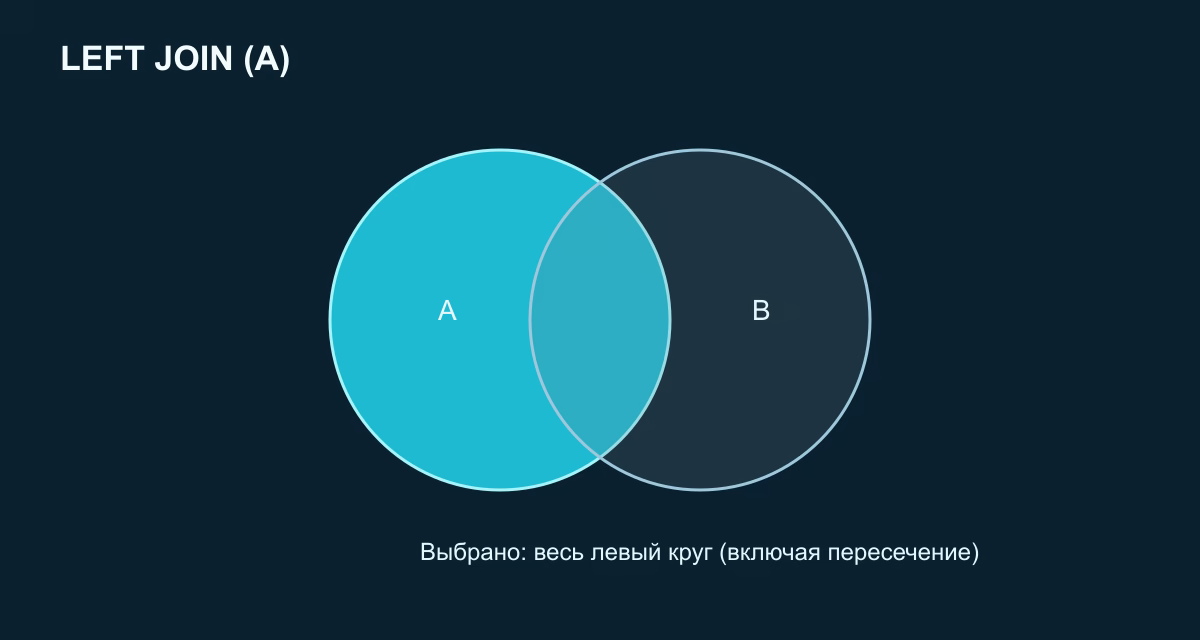
SELECT u.name, o.id AS order_id, o.amount
FROM users u
LEFT JOIN orders o ON o.user_id = u.id;
A user without orders remains as name + NULL.
3) RIGHT JOIN
Mirror of LEFT JOIN: all rows from right table plus matches from left.
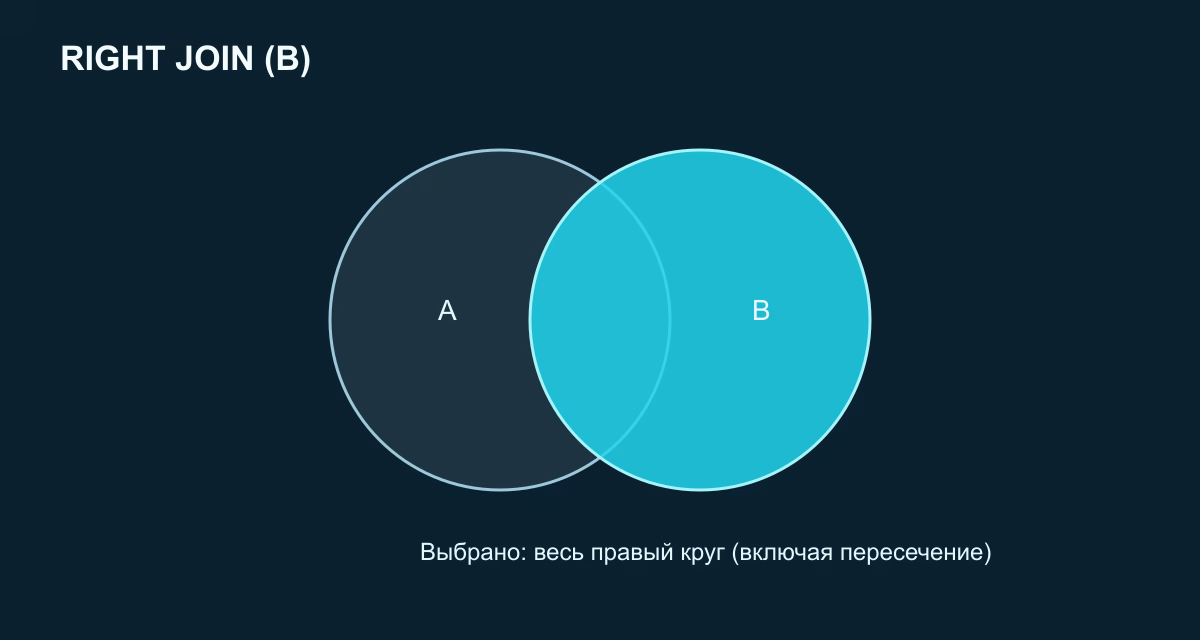
SELECT u.name, o.id AS order_id
FROM users u
RIGHT JOIN orders o ON o.user_id = u.id;
In practice, teams often prefer LEFT JOIN style for readability.
4) FULL OUTER JOIN
Returns matches plus unmatched rows from both sides.
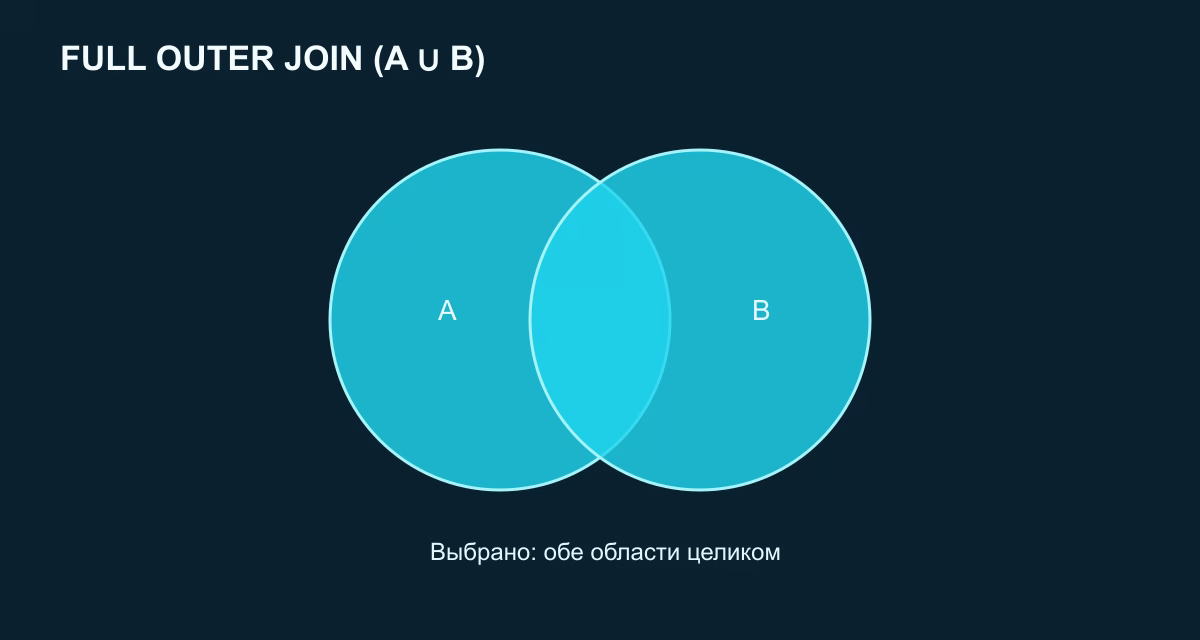
SELECT u.name, o.id AS order_id
FROM users u
FULL OUTER JOIN orders o ON o.user_id = u.id;
Useful for reconciliation and orphan-record checks.
Example with output (INNER JOIN)
SELECT o.id, o.amount, o.status, u.name
FROM orders o
INNER JOIN users u ON u.id = o.user_id
ORDER BY o.id;
| id | amount | status | name |
|---|---|---|---|
| 1 | 1200.00 | PAID | Anna |
| 2 | 300.00 | NEW | Anna |
| 3 | 700.00 | PAID | Ivan |
Common mistakes and fixes
- Missing
ONcondition: creates Cartesian explosion. - Wrong post-filter after
LEFT JOIN:WHERE o.status = 'PAID'may remove left-side unmatched rows. - Ignoring cardinality: one user can have many orders, so row count growth is expected.
Safer pattern for right-side filter in LEFT JOIN:
LEFT JOIN orders o
  ON o.user_id = u.id
 AND o.status = 'PAID'
How to learn JOIN without confusion
- Start with two-table
INNER JOIN. - Rewrite same case with
LEFT JOINand compare output. - Add third table (
payments) and observe row-count growth. - Then move to
FULL OUTER JOINand reconciliation cases.
Practice Before the Next Lesson
Run four queries (INNER, LEFT, RIGHT, FULL) on users and orders. After each run, answer: “Which rows remained and why?” This is the fastest way to internalize JOIN behavior.